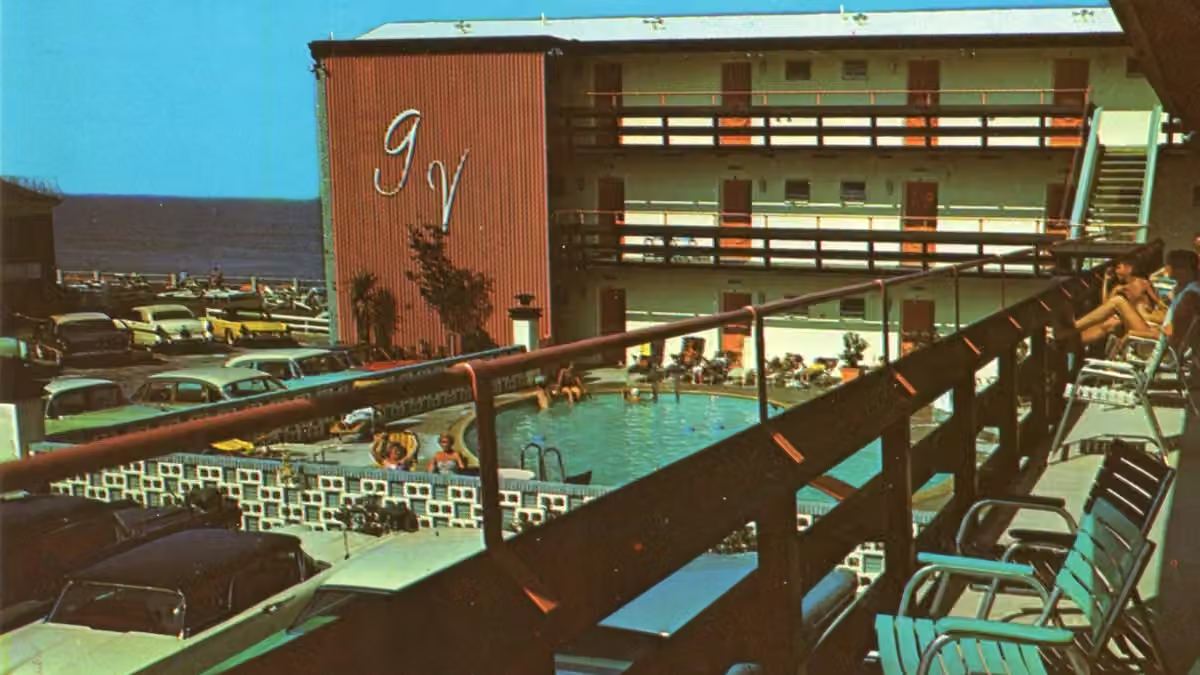
Budget motels beat hotels for nearby stays. That is the plain answer, and it usually holds because the motel is built for one short stop, not for a polished stay that wants to impress the room key. When the goal is a bed, a shower, and a fast exit in the morning, the motel often wins on price and convenience.
I like a clean number, but I do not trust a clean label. “Hotel” can mean almost anything now, from a plain box with a lobby to a polished tower with breakfast, a gym, and a bill that grows teeth. A motel is simpler by design. It is usually made for motorists, with easier parking and room doors that open close to the car. That matters more than people admit when the stay is brief.
For a nearby overnight, the real question is not glamour. It is whether the extra hotel polish pays back the extra cost. Most of the time, it does not. Budget motels are usually cheaper because they carry fewer services, less staffing, and less overhead. There is no grand mystery there. A building that does less can often ask for less, which is a rare act of honesty in lodging.
That is why the motel fits the short, local stay so well. If the trip is close to home, the room often serves one job only. Sleep. Wash. Leave. Hotels are built for a broader range of uses. They may have interior hallways, larger lobbies, dining, fitness rooms, or other extras. Those extras can be useful on a longer trip. On a nearby stay, they can also be expensive decoration.
The human side is simple. People do not always book a room because they need a room. Sometimes they book one because they need a pause. A motel answers that need without making a ceremony of it. The room is usually plain, the parking is usually easier, and the check-in is usually less fussy. That dryness is part of the appeal. Not every night needs a show.
There is also a practical comfort in the motel format. When a traveler wants quick access to a car, or expects to carry bags in and out once, exterior room access can be handy. It is less elegant, yes. It is also less of a trek after dark. For a short stay near home, that trade can feel more useful than a polished lobby that nobody asked to visit.
Where the math stops being clever
The price gap is the main fact, but not the only one. Motels are often described as budget-friendly for short stays, and that is exactly where they tend to make the most sense. The rooms are generally simpler, and the stay is usually one night or two. Hotels, by contrast, are built for more varied stays and wider service. When the stay is near and brief, the extra service can be dead weight.
Still, no one should pretend the answer is automatic. A motel can be the better bargain and still be the poorer fit if noise, upkeep, or location are off. A room near a road can save money and also bring road noise. A hotel can cost more and still be the better choice if the traveler needs indoor corridors, stronger service, or a quieter building. That is the honest part. Cheap is only cheap if the room is usable.
The other limit is timing. Nearby demand can change fast. A plain motel room on a quiet night may look like a bargain. The same room near a holiday, a local event, or a busy weekend can climb in price and narrow the gap. In those moments, the tidy theory gets messy, which is how travel usually behaves when people are all trying to arrive at once.
For a Status and Tier Strategy reader, the lesson is not that hotel perks are worthless. It is that a perk has to earn its keep. A nicer lobby, a breakfast line, or a points promise may sound good on paper. But if the stay is close by and the purpose is simple, the motel often gives the cleaner exchange. Less ceremony. Less spend. Fewer reasons to chase a benefit that was never going to matter for one night.
That is the part people remember after the receipt is filed away. A loyalty program can be generous in theory and stingy in use. A nearby stay is where that truth shows up fast. If the room is only a place to land, then the lowest sensible cost usually beats the most polished promise.
I keep coming back to that because the math is not the whole story. A room is not a trophy. It is a tool. On a short stay near home, the budget motel often does the job with less fuss and less bill. That is enough for most people, and probably more than enough for the ones who have learned that status only matters when it changes the night in a real way.
The Loyalty Deck lives in that same space, where the numbers meet the human reason for returning, and where the value has to feel real before it can feel proud.
Explore: Status and Tier Strategy