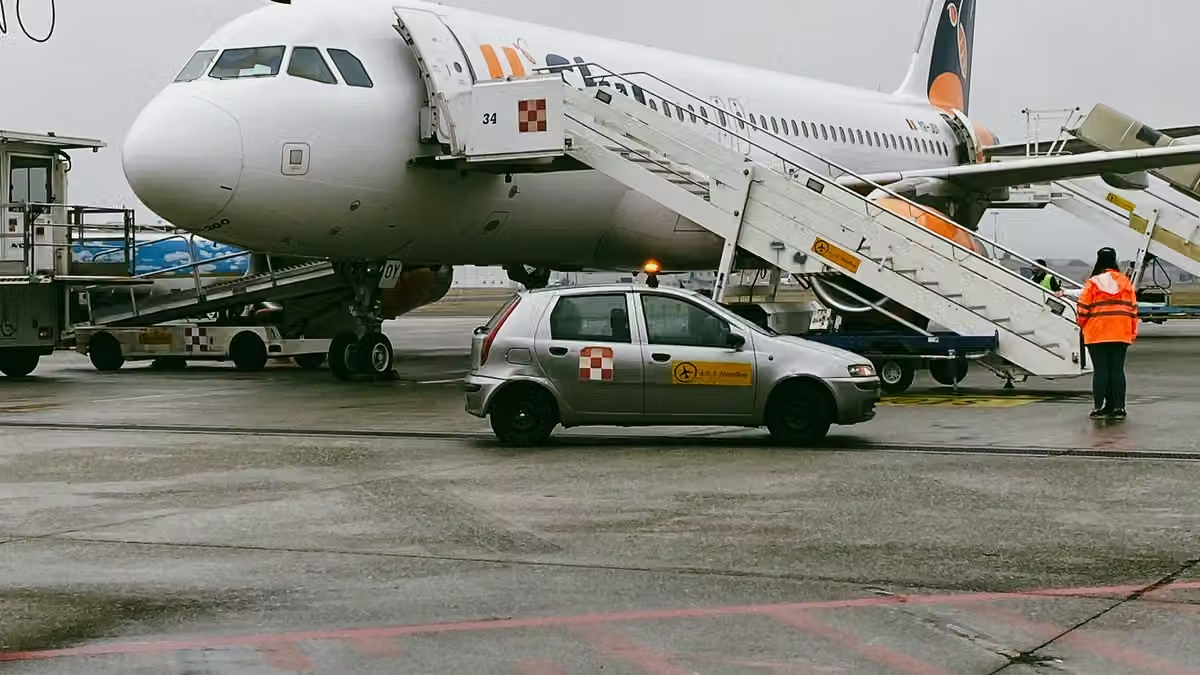
Cruise insurance covers trip delays and cancellations. That is the plain answer, and it is the part most people care about when the weather turns rough or a flight runs late and the ship keeps its own schedule.
What that coverage usually means
In practice, this kind of protection is built to soften the cost of a trip that gets thrown off course. A covered delay may pay for extra meals, a hotel room, local transport, or other needed expenses while the traveler waits to continue the journey. A covered cancellation may reimburse prepaid, nonrefundable trip costs when the reason fits the policy rules.
That last part matters. The coverage is not a blank check. It usually applies only to listed reasons, such as illness, injury, severe weather, or other events named in the policy. Some plans also help if a missed connection keeps a traveler from boarding on time, but the delay has to meet the plan’s own time limit and cause rules.
I think this is where a lot of disappointment begins. The words sound broad. The actual rule book is narrower.
Why repeat cruisers notice it fast
For someone who returns to sea again and again, the value is not in the promise of glamour. It is in the quiet repair of a bad day. A late flight does not care about loyalty level. A canceled departure does not pause because a guest has sailed before.
That is why the small print matters more than the label on the brochure. Some plans cover missed departure costs if a common carrier is delayed. Some pay extra to help a traveler catch up to the ship at the next port. Some even include limited daily amounts for hotel and meal costs during a delay. These are not grand gestures. They are practical ones.
That kind of cover fits the rhythm of real travel. The guest has already packed, planned, and paid. A delay does not just ruin timing. It can turn into added costs before the first day at sea even begins.
The honest limit
The hard part is that coverage depends on the policy and the reason. A cancellation for a covered reason is not the same thing as canceling because plans changed. A delay caused by a weather event may be treated differently from a delay caused by a traveler missing the train on the way to the airport.
There is also no single standard across all plans. Some offer cash reimbursement. Some offer future cruise credit for certain kinds of cancellations. Some include a “cancel for any reason” option, but that usually pays only part of the trip cost and comes with its own rules. The details decide the outcome, not the headline.
That is the uneasy truth. Insurance can be useful, but it is never loose in its language.
A sensible reader, especially a repeat one, learns to look for three things. First, whether trip delay is covered. Second, whether trip cancellation is covered for the reason that matters. Third, how long the delay has to last before benefits begin.
What the answer means in plain English
If a cruise is delayed, the insurance may help with added costs that come from the delay. If a cruise is canceled for a covered reason, the insurance may return some or all of the prepaid, nonrefundable trip cost, depending on the policy.
That is the heart of it. The protection is not about making the trip perfect. It is about keeping one disruption from becoming three bills.
I respect that logic. It feels less like a perk than like a form of order. On a good cruise, order already has a charm of its own. It is the reason people like to see the same faces, follow the same rituals, and settle into a place that is known.
Trip insurance belongs to that same world. Not because it is fancy. Because it helps keep the return from feeling too fragile.
The Loyalty Deck keeps that same focus in view: status changes, real perk value, and the human meaning of returning.
Explore: Status and Tier Strategy