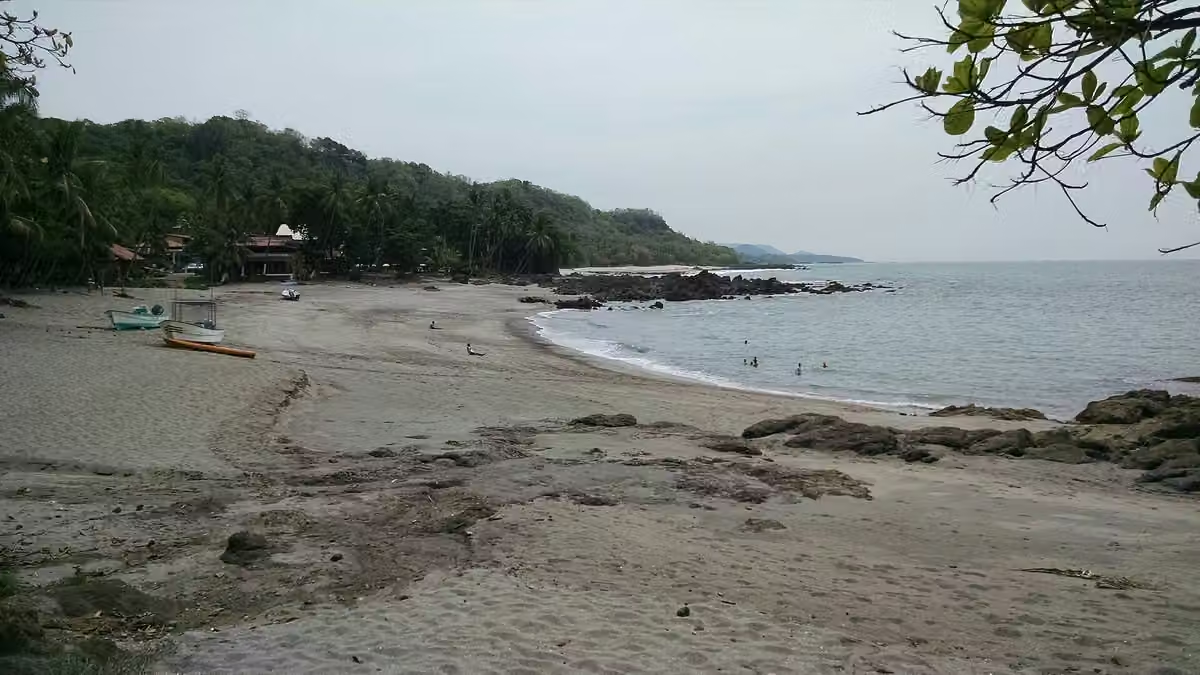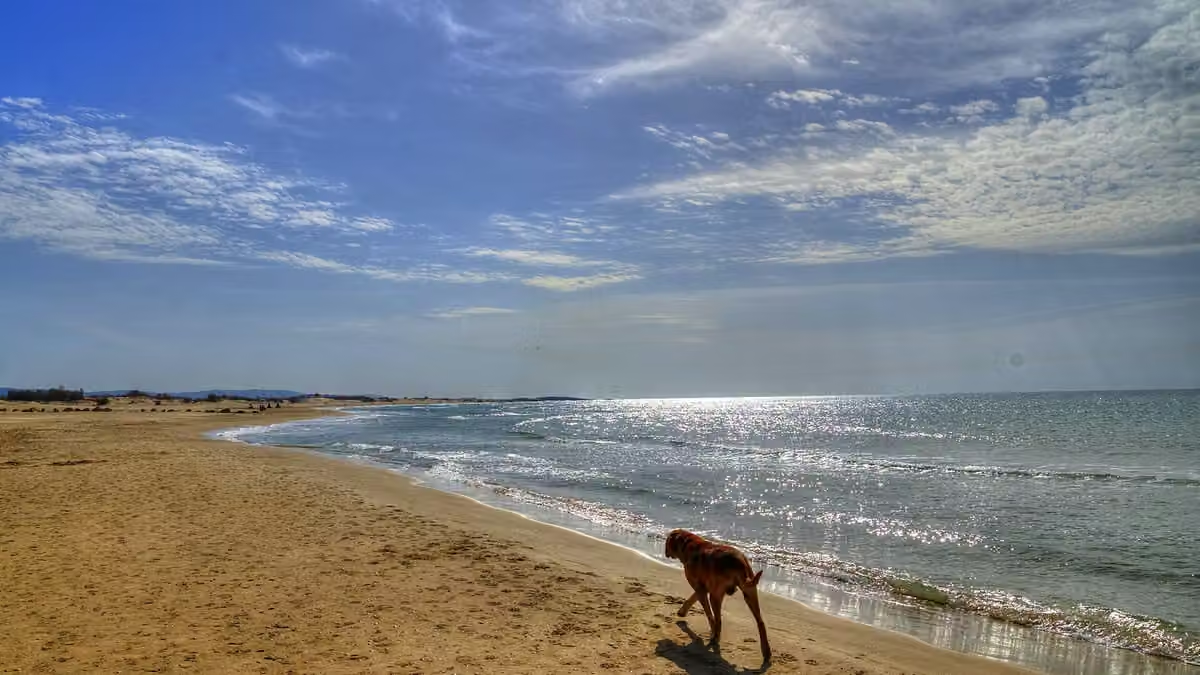
Disney Cruise Line itineraries frequently return to key ports, and that repetition is part of the product rather than a flaw in it. The line leans hard on a familiar map: Port Canaveral, Fort Lauderdale, Galveston, San Juan, Vancouver, and a few others keep showing up across seasons, while the same signature stops like Nassau, Castaway Cay, and Lookout Cay appear again and again in many sailings.
That matters because repeat ports change the feel of the trip. For some guests, a familiar port is comfort. The transfer is easier, the boarding pattern is known, and the day starts with less friction. For others, it looks like less variety on paper. Both reactions make sense. What matters is that Disney’s itinerary style is built around reliable lanes, not constant novelty.
I notice that pattern most clearly in the way the line uses its homeports. Florida sailings often circle back through the same departure points and the same island stops. That is not accidental. It lets the company build a steady rhythm around short Bahamian and Caribbean cruises, where the sea days, private-island calls, and repeated embarkation ports all support a predictable guest experience.
For repeat cruisers, that predictability cuts both ways. It can feel like a clean system when the port flow is calm and well managed. It can also feel narrow if the wish is for a new country every time the calendar opens. Disney does offer wider routing in some seasons, including Europe, Alaska, and the Pacific, but the backbone of the schedule still returns to a few core ports that the line knows can carry demand.
The private island stops are especially important here. Castaway Cay and Lookout Cay are not filler ports. They are central to how many Disney itineraries are sold and remembered. When a voyage advertises one of those stops, it gives the sailing a built-in anchor. That also means the same places can appear often, sometimes in the same season, because they are part of the line’s main value story.
What the repeat pattern means in practice
The practical effect is simple. A guest who follows Disney itineraries over time will see some ports come back often, while others appear only in certain years or on certain ship rotations. Port Canaveral and Fort Lauderdale tend to stay important in the Florida market, and sailings from Galveston, San Juan, and Vancouver also recur as the line builds out regional demand.
This is where premium travel judgment comes in. A repeated port is not automatically a weak port. If the terminal flow is smooth and the ship is timed well, the experience can feel easy. That ease is a real luxury. But if the same route is sold with too much sparkle and too little change, the repetition can start to look like a crowded symbol of loyalty rather than a reward for it.
I think that is the honest line here. Repeat ports can mean stability, and stability has value. They can also mean less surprise, which is the price of a model built around known winners. For a line with a strong family audience, that tradeoff is not unusual.
There is one limit worth keeping in view. Itineraries change by season, ship assignment, and region, so “frequently” does not mean every sailing repeats the same ports. Some schedules add new calls or shift homeports, especially when ships reposition for summer, winter, or longer regional runs. The broad pattern is repeatable, but the exact mix is always moving.
That is why this topic keeps coming back. The real story is not just where the ship goes. It is how often the line returns to the same places because those places still sell, still work, and still fit the brand’s promise of controlled comfort.
For readers who care about status, value, and the plain meaning of return, that is the heart of it. Repetition can be a sign of confidence, but it can also reveal how carefully a cruise line manages comfort and crowd control. The Loyalty Deck follows those changes for the same reason I do: status changes, real perk value, and the human meaning of returning.